UKGC Licensed NFL Betting: Regulatory Rules for UK Punters
 Available in US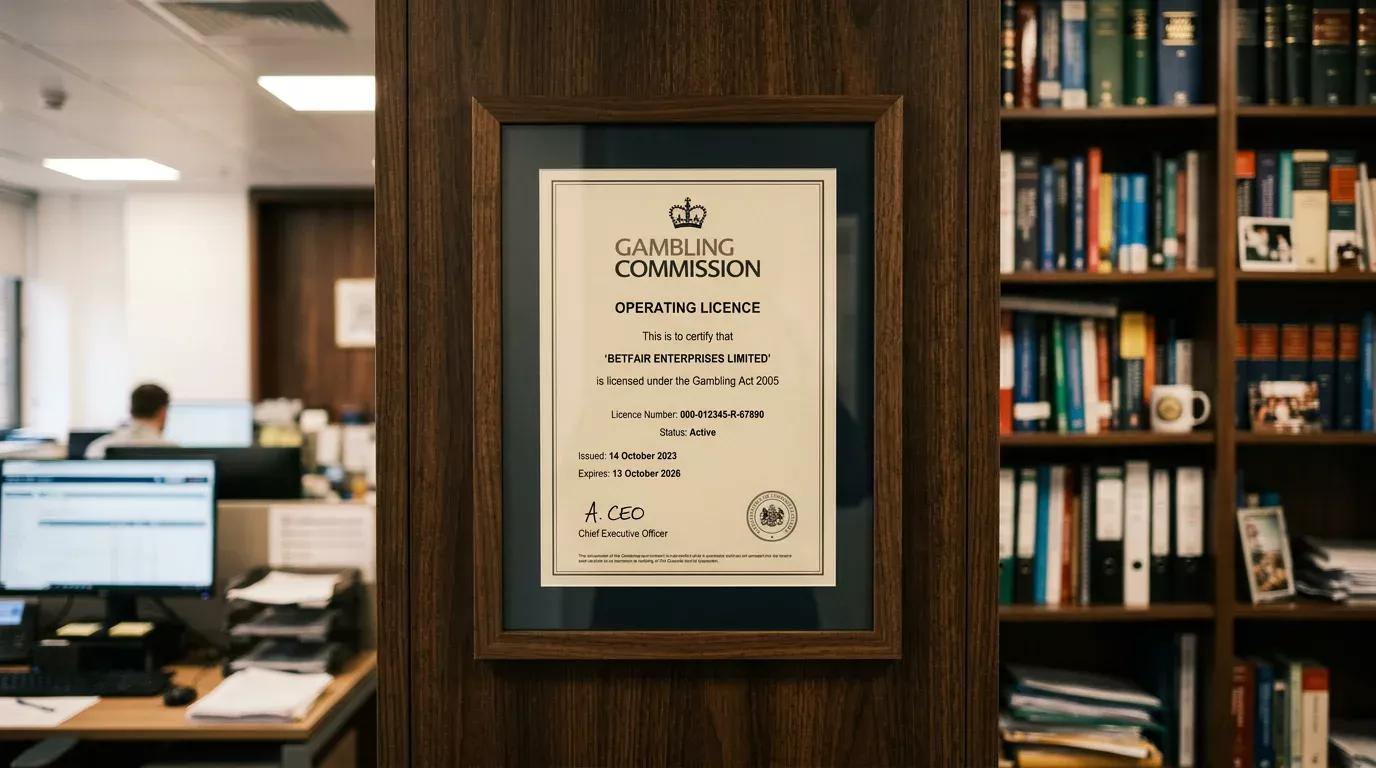
I watched a fellow punter lose 400 pounds to an unlicensed offshore sportsbook in 2020. He’d found slightly better NFL odds on a site without a UKGC licence, deposited through cryptocurrency, and when he tried to withdraw his winnings after a successful weekend, the site froze his account and stopped responding to emails. No regulator to complain to. No dispute resolution. Just gone. That experience — which I saw play out across online forums and betting communities repeatedly — is the single strongest argument for why UK regulation matters and why every NFL bet you place should be with a UKGC-licensed operator.
The UK gambling landscape underwent its most significant regulatory overhaul in years during 2025, with new rules touching everything from how operators fund research and treatment to how they market to customers. For NFL bettors specifically, these changes create both protections and obligations that are worth understanding in detail. Since April 2025, a statutory gambling levy requires all licensed operators to contribute a percentage of their gross gambling yield toward research, education, and treatment of gambling harm.
UKGC Compliance and NFL Betting Regulations
The Gambling Commission — the UKGC — doesn’t regulate the NFL itself. It regulates the operators who offer NFL betting markets to UK customers. That distinction matters, because it means the Commission’s focus is on how bookmakers treat you, not on the mechanics of the sport you’re betting on.
As of the latest count, 2,262 operators hold gambling licences in the United Kingdom — a figure that’s actually declined by 12.3% from pre-pandemic levels. That decline reflects consolidation in the industry and the Gambling Commission’s increasingly rigorous licensing standards. Andrew Rhodes, CEO of the Gambling Commission, has been explicit about the direction: a well-regulated industry where consumers are well looked after, with a strong, productive, and collaborative relationship between the regulator and the operators.
For NFL bettors, UKGC licensing guarantees several things. Your funds are held in segregated accounts, meaning if the bookmaker goes bust, your balance is protected. Disputes can be escalated to an independent Alternative Dispute Resolution (ADR) provider. The odds you’re shown must be honoured — no retroactive cancellation of winning bets except in cases of genuine error. And every operator must provide responsible gambling tools including deposit limits, session time alerts, and self-exclusion options.
These aren’t theoretical protections. They’re enforced through regular compliance audits, mystery shopping exercises, and penalty actions that carry real financial consequences for operators who fall short.
2025 Regulatory Reforms: Levy, Stake Limits, and Consent Rules
The 2025 reforms represent the most consequential set of regulatory changes since the Gambling Act 2005. Clifford Chance, one of the UK’s leading law firms, described them as a decisive shift in UK gambling regulation, positioning the UK as a global leader in responsible gambling regulation through the introduction of a statutory levy, targeted stake limits, and enhanced consumer protections.
The statutory gambling levy, effective from 6 April 2025, requires all UKGC-licensed operators to pay a percentage of their gross gambling yield into a fund that supports gambling harm research, prevention, and treatment. Previously, contributions were voluntary through an industry body. Making the levy statutory ensures consistent funding regardless of any individual operator’s corporate priorities. For bettors, this doesn’t directly affect odds or payouts, but it signals a regulatory environment that takes harm prevention seriously and has the financial resources to enforce it.
Online stake limits, introduced on 9 April 2025, impose a cap of 5 pounds per spin on online slots for customers aged 25 and over, and 2 pounds per spin for customers aged 18 to 24. These limits don’t apply directly to sports betting, but they reflect the regulator’s willingness to intervene in product design when consumer harm evidence warrants it. The precedent matters: if data emerges showing specific sports betting product features contribute to harm, similar interventions are now clearly within the Gambling Commission’s toolkit.
Granular marketing consent rules, effective from 1 May 2025, require operators to obtain separate consent from customers for marketing communications across each product type (sports betting, casino, bingo) and each channel (email, SMS, push notification, post). No more blanket opt-ins. This change gives NFL bettors more control over which promotional messages they receive and from which products, reducing the unwanted cross-sell from casino and slots products that many sports-only bettors found intrusive.
From 31 October 2025, operators must offer customers the ability to set financial limits before making their first deposit, with reminders to review these limits every six months. This “limits first” approach embeds responsible gambling into the account setup process rather than treating it as an afterthought.
Recent Enforcement Actions and What They Signal
Regulatory teeth matter only if they bite, and the Gambling Commission has been actively enforcing its standards. The largest single fine in 2025 was 2 million pounds, levied against Paddy Power Betfair for social responsibility failures. The details of the case involved inadequate identification and intervention with customers showing signs of gambling harm — a failure in the monitoring and support systems that licensed operators are required to maintain.
For NFL bettors, these enforcement actions carry an indirect but important message: the operators serving you are under active scrutiny. They’re incentivised not just by ethics but by financial penalty to maintain systems that protect you — account monitoring, affordability checks, and prompt responses to self-exclusion requests. A bookmaker that cuts corners on these obligations risks fines that dwarf the revenue from any individual customer relationship.
The pattern of enforcement has also accelerated. The Gambling Commission has increased its use of licence reviews and regulatory settlements alongside formal fines, creating a multi-layered accountability system. Operators that receive formal warnings know that the next step is financial penalty, and operators that receive fines know that repeated failures could result in licence conditions or revocation.
How UKGC Regulation Protects NFL Bettors
The Gambling Commission’s CEO Andrew Rhodes spoke at an industry event in 2025 about the need for a strong, productive, and collaborative relationship between the regulator and the operators, based on a clear understanding of requirements. For you as an NFL bettor, that relationship translates into a set of concrete protections.
Fair odds and transparent terms mean the price you see is the price you get. Bet cancellations are restricted to genuine pricing errors, not retroactive decisions by the operator to void a profitable bet. Payment processing timescales are regulated — operators can’t hold your withdrawal indefinitely. And if a dispute arises that you can’t resolve directly with the bookmaker, the ADR process provides an independent pathway to resolution.
The responsible gambling tools mandated by UKGC regulation — deposit limits, loss limits, session time reminders, cooling-off periods, and self-exclusion through GAMSTOP — give you structural safeguards against problem gambling. These tools aren’t optional extras or premium features. Every licensed operator must provide them, and every customer has the right to use them at any time without needing to justify the decision.
The sum of these protections creates an environment where you can bet on NFL games knowing that the operator is accountable to an independent regulator, your funds are protected, and your rights as a customer are backed by enforceable rules. That’s not excitement-generating content — it’s genuinely important. The next NFL bet you place should be with a UKGC-licensed bookmaker, full stop.
What happens if I bet on a non-UKGC site?
Betting on an unlicensed site removes all regulatory protections available to UK customers. Your funds are not held in segregated accounts, you have no recourse to independent dispute resolution, and the operator is under no obligation to honour winning bets, process withdrawals, or provide responsible gambling tools. If something goes wrong, the Gambling Commission has no jurisdiction to intervene on your behalf.
How do the 2025 UKGC reforms affect my NFL betting?
The 2025 reforms primarily affect how operators interact with you rather than the bets themselves. You will be asked to set financial limits before your first deposit, receive reminders to review those limits every six months, and have more granular control over marketing communications. The statutory levy funds harm prevention research. Online stake limits apply to slots, not sports betting, but signal the regulator’s willingness to intervene in product design.
Written by the editors at Best bet for nfl.