NFL Player Prop Bets in the UK: High Value Wagering Markets
 Available in US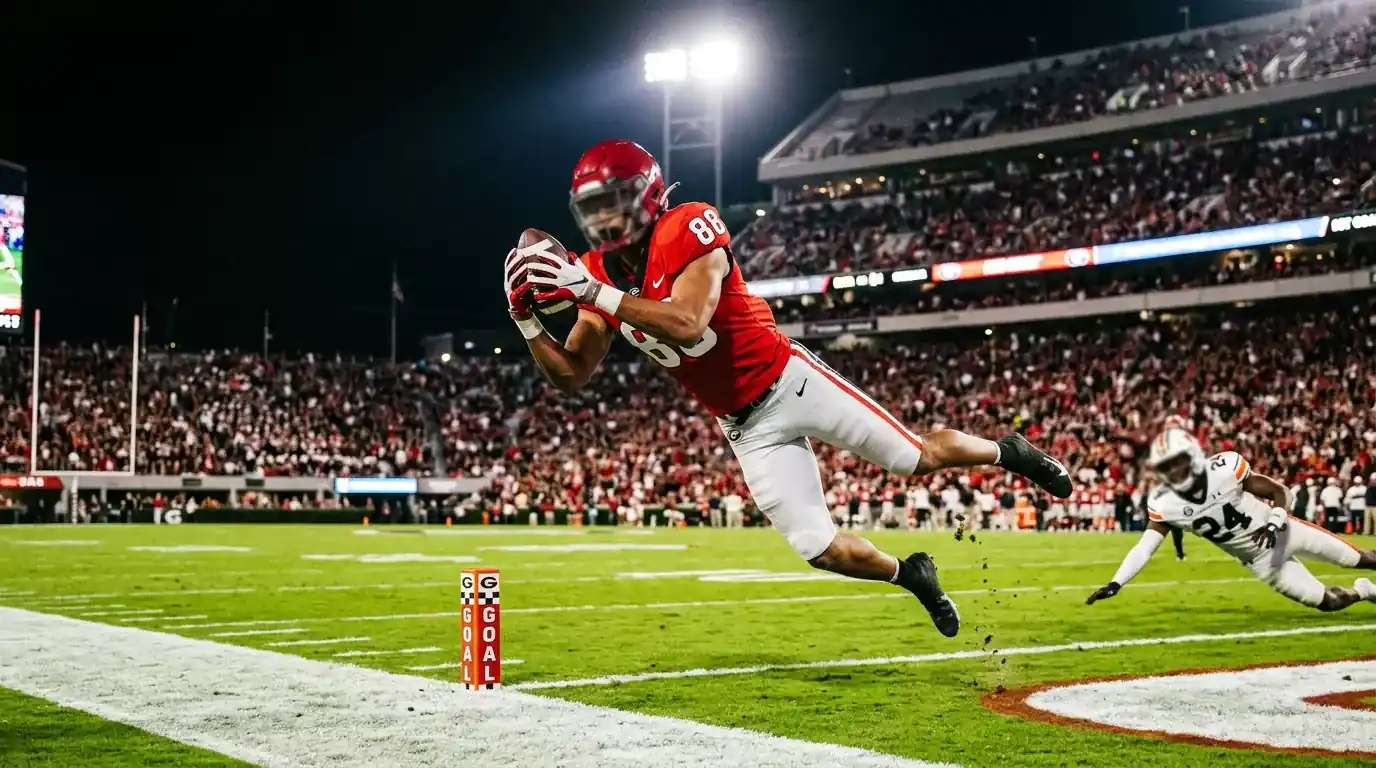
Three seasons ago I started tracking every player prop bet I placed on NFL games. After 200-odd bets across two seasons, a pattern emerged that reshaped my entire approach: my hit rate on passing yardage props was nearly 58%, while my rushing touchdown picks hovered at a coin-flip 49%. The difference wasn’t luck. It was about understanding which prop markets bookmakers price efficiently and which ones leave gaps for informed punters to exploit.
Player props are the fastest-growing segment of NFL betting, and for good reason. Instead of predicting which team wins or how many points are scored, you’re betting on individual player performances — will Patrick Mahomes throw for over 275.5 yards? Will Derrick Henry score a rushing touchdown? These markets let you leverage specific knowledge about matchups, game scripts, and player tendencies in ways that traditional game-level bets simply can’t.
For UK punters, props add a layer of engagement that transforms how you watch a game. You’re no longer just cheering for a team — you’re tracking a specific receiver’s target count or a quarterback’s completion rate. With the UK now home to over 17 million NFL fans, the appetite for these granular markets is growing as quickly as the sport itself.
Identifying High-Value NFL Player Prop Markets
When I explain player props to someone who’s new to NFL betting, I always start with this: forget the scoreboard. A player prop bet doesn’t care whether the team wins or loses. It only cares about what one specific player does on the field.
The concept maps cleanly onto something UK punters already understand from football. If you’ve ever bet on a Premier League player to score anytime or to have over 1.5 shots on target, you’ve essentially placed a player prop. NFL props work the same way, just with different statistical categories tailored to American football.
The most common categories break down by position. For quarterbacks: passing yards, passing touchdowns, completions, interceptions, and longest completion. For running backs: rushing yards, rushing attempts, rushing touchdowns, and longest rush. For wide receivers and tight ends: receiving yards, receptions, receiving touchdowns, and longest reception. Some bookmakers also offer defensive player props — sacks, interceptions, tackles — though these carry significantly higher variance and thinner markets.
Each prop is typically structured as an over/under line. The bookmaker sets a number — say, 78.5 rushing yards for a running back — and you bet whether the player will finish above or below that line. The odds on each side are usually close to even money, though slight adjustments reflect the bookmaker’s assessment of probability. Some props are offered as yes/no outcomes: will a player score a touchdown? Will a quarterback throw an interception? These binary props carry different pricing structures, which I’ll cover in the value section below.
Popular NFL Prop Markets at UK Bookmakers
I spent a full Sunday last season flipping between six different UKGC-licensed sportsbooks, cataloguing which prop markets each one offered for the same set of afternoon games. The variation was striking. One platform listed over 40 player props per game; another had barely 15. This disparity matters more than most punters realise, because the breadth of selection directly affects your ability to find value.
The universal props — available at virtually every UK bookmaker with NFL coverage — are quarterback passing yards, running back rushing yards, and anytime touchdown scorer. These three markets attract the most volume and the tightest pricing. Genius Sports holds an exclusive contract to distribute official NFL data through to Super Bowl 2030, which means every UK bookmaker works from the same underlying data feed, but their interpretation of that data into odds varies enough to create meaningful price differences.
Beyond the basics, the prop landscape divides into tiers. Tier two includes receiving yards for top receivers, total completions for quarterbacks, and first touchdown scorer. Tier three — available mainly at larger platforms — covers alternate lines (will the quarterback throw for over 300.5 yards instead of the standard 250.5?), player-specific rushing attempts, and kicker props like total field goals or longest field goal. Some bookmakers have begun offering quarter-specific player props, such as a receiver’s first-half receiving yards, though these markets are thinner and priced with wider margins.
For UK punters, the prop markets tend to open later in the week than game-level markets. While moneylines and spreads are available by Tuesday, detailed player props often don’t appear until Thursday or Friday, once injury reports solidify. This timing matters for strategy — the window between prop release and kickoff is where the sharpest price movements happen, and early movers who’ve done their homework on matchups can capture value before lines settle.
How Bookmakers Price Player Props and Where to Find Value
Here’s something that surprised me when I first dug into prop pricing: bookmakers are demonstrably less efficient at pricing player props than they are at pricing game-level markets like spreads and totals. The reason is volume. Moneyline and spread markets attract massive two-way action that naturally sharpens the price. Player props, by contrast, draw less volume and often attract one-sided action, which means the bookmaker’s initial line-setting algorithm carries more weight — and more potential error.
That inefficiency is your opportunity. The value in player props comes from identifying situations where the bookmaker’s line doesn’t adequately account for a specific matchup or game-script factor. Let me give you a concrete workflow.
Start with the game-level outlook. Is this expected to be a high-scoring game or a low-scoring one? A game with a total set at 52.5 creates a fundamentally different environment for passing props than one set at 38.5. High totals generally mean more passing volume, which inflates quarterback and receiver numbers. If the bookmaker’s passing yards line for a quarterback seems anchored to his season average rather than adjusted for a high-total game against a weak secondary, you’ve found a potential over.
Next, look at defensive matchups. A running back facing a top-five run defence will typically see his rushing yardage prop set lower, but is it low enough? Conversely, a receiver matched up against an injured or backup cornerback might see his line barely move from the season average — that’s a pricing gap you can exploit. The data exists in publicly available sources: defensive DVOA by category, yards allowed per position, and snap-count reports all feed into this analysis.
The margin on prop bets is typically higher than on game-level markets — often 6-8% overround compared to 4-5% on a spread. This means you need a bigger edge to overcome the vig. But the inefficiency in pricing more than compensates in many cases, particularly for punters willing to do the matchup homework that casual bettors skip.
Anytime Touchdown Scorer Bets: The UK Fan Favourite
If there’s one NFL prop that resonates with UK punters more than any other, it’s anytime touchdown scorer. Bill Miller, president and CEO of the American Gaming Association, captured the dynamic well when he noted that legal sports betting enhances the fun and friendly competition that make NFL traditions even more special — and nothing crystallises that fun quite like sweating whether your chosen player finds the end zone.
The anytime touchdown scorer market works simply: you pick a player, and if he scores a touchdown at any point in the game — first quarter or overtime — the bet wins. Prices vary dramatically by position and role. A primary goal-line running back who averages a touchdown per game might be priced at 4/6 or shorter. A slot receiver who scores once every three games could sit at 11/4. A defensive player or lineman might be available at 40/1 or longer as a novelty option.
The value play in touchdown scorer markets isn’t always obvious. Red zone usage is the single most predictive stat: how often does a team use a specific player inside the opponent’s 20-yard line? A receiver with high red zone target share but who’s been unlucky with touchdowns in recent weeks will often drift to longer odds than his underlying usage justifies. That’s your entry point. Conversely, a running back who scored three touchdowns last week but faces a stout goal-line defence this week might be underpriced because recency bias inflates his perceived probability.
One tactical note for UK punters building NFL betting strategy: anytime touchdown scorer odds vary more between bookmakers than almost any other prop market. I’ve seen the same player priced at 5/4 on one platform and 6/4 on another — a 20% price difference on the same outcome. Checking at least three sportsbooks before placing a touchdown scorer bet isn’t optional if you’re serious about value. It’s the single easiest edge available in NFL prop betting.
What does anytime touchdown scorer mean in NFL betting?
An anytime touchdown scorer bet wins if your chosen player scores a touchdown at any point during the game, regardless of when it happens or how it is scored. It does not matter whether the touchdown comes in the first quarter or in overtime. The bet loses only if the player finishes the game without scoring a touchdown.
Where can I find NFL player prop odds in the UK?
Most major UKGC-licensed bookmakers offer NFL player prop markets, though the range varies significantly between platforms. Larger sportsbooks typically list 30 to 50 prop options per game, while smaller ones may offer 10 to 15. Props usually become available on Thursday or Friday before a Sunday game, once injury reports are confirmed.
Published by the Best bet for nfl team.