British NFL Fans Betting Guide: UK Wagering Tactics
 Available in US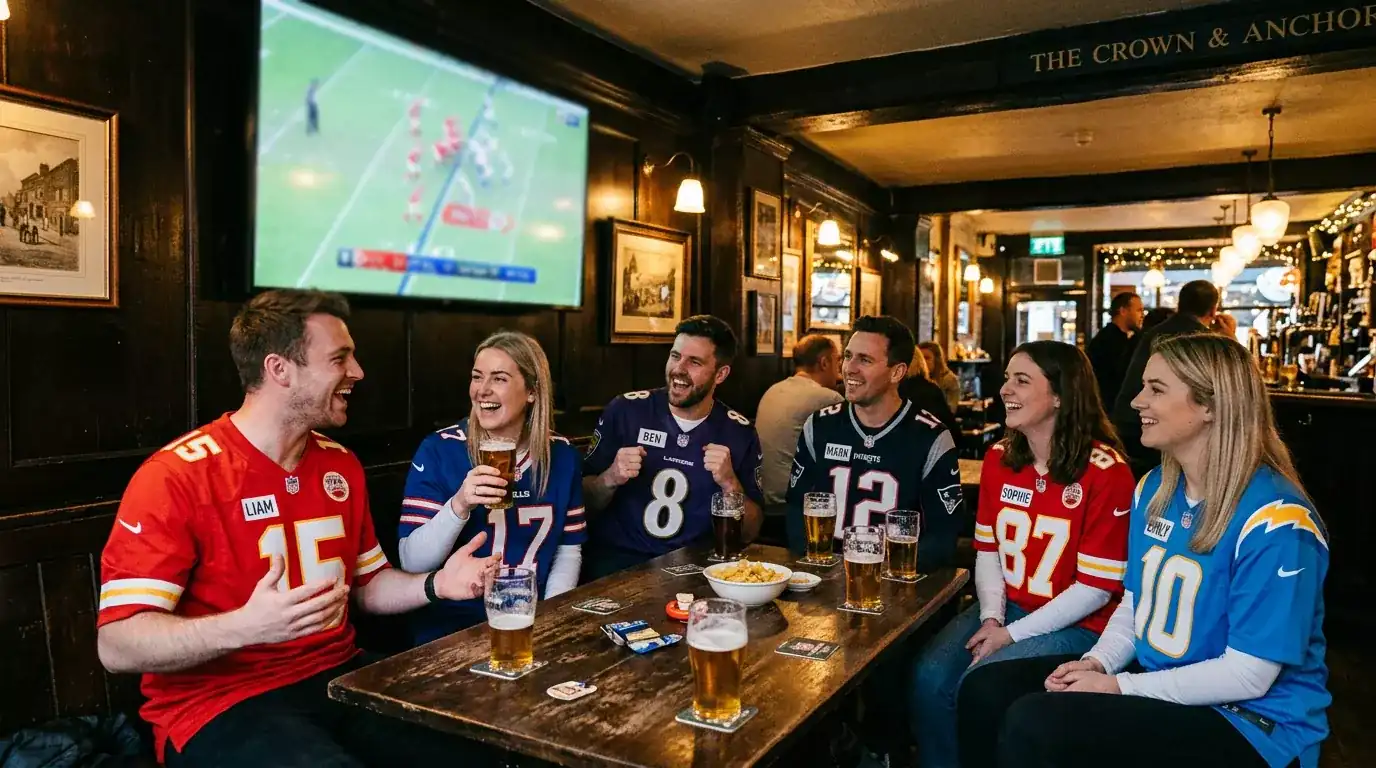
I started watching NFL because a mate put the 2015 London game on in a pub. Within three years I was setting alarms for the Sunday 6pm kickoffs, following three different teams, and placing my first spread bets without fully understanding what I was doing. That trajectory — from accidental viewer to committed fan to active bettor — is remarkably common among British NFL followers, and it comes with a specific set of advantages and pitfalls that a generic betting guide won’t address.
The UK now has more than 17 million NFL fans, a figure that has grown steadily through two decades of London games, expanded broadcast coverage on Sky Sports and ITV, and the cultural osmosis of American sports through social media and streaming. The question for fans who want to turn their viewing habit into informed betting isn’t whether opportunities exist — it’s how to channel what you already know about the sport into wagers that reflect genuine analysis rather than tribal loyalty.
UK NFL Fandom Trends and Betting Opportunities
The scale of NFL fandom in Britain surprises people who haven’t looked at the data. Monthly NFL search volume in the UK runs at approximately 1.2 million queries, which is about 13 percent of the volume the Premier League generates. That’s not parity, but it’s a significant share for a sport that has no domestic league and plays its games during evening and late-night hours in British time zones.
The London games have been the primary engine of that growth. Since 2007, 42 regular-season NFL games have been played in the UK, with attendance regularly exceeding 80,000 at Wembley. More than six million people watched the 2025 London fixtures across television and streaming platforms, and the economic impact of the International Series has exceeded two billion pounds over its lifetime.
Viewing numbers for the Super Bowl tell a similar story. The peak UK audience for Super Bowl LVIII reached 1.73 million viewers, a 48 percent increase on the previous year. The growth among viewers under 35 was even steeper — up 91 percent year on year — which suggests the UK’s NFL fan base is becoming younger and more engaged with each season. As Henry Hodgson, General Manager of NFL UK, noted after that broadcast, the viewership figures combined with social engagement through Super Bowl week reflect the genuine growth of the NFL in the UK, particularly among the younger demographic the league has targeted.
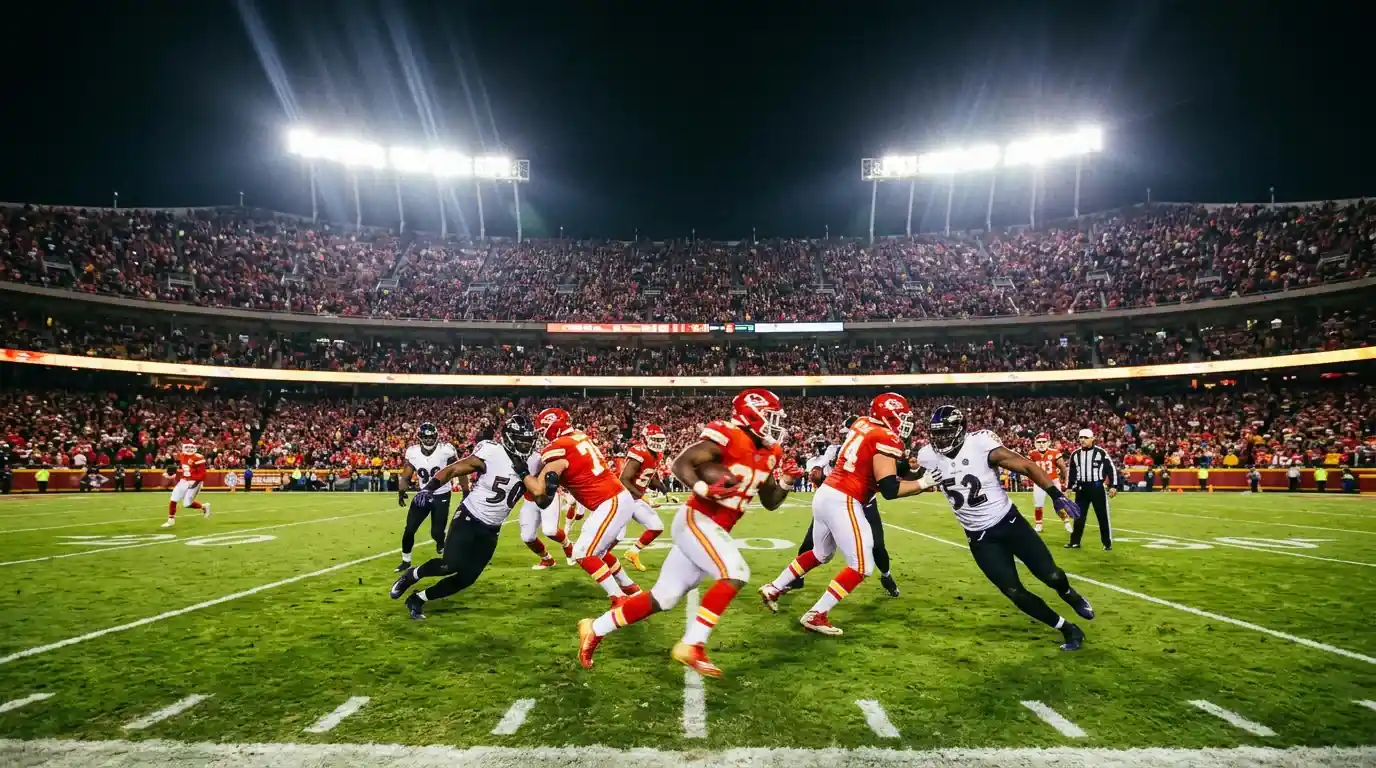
Team allegiance in the UK follows different patterns than in the United States. The Kansas City Chiefs command 9.5 percent of all NFL team search queries in Britain — the highest share of any franchise — driven largely by the Patrick Mahomes era and sustained Super Bowl success. The Jacksonville Jaguars, despite middling on-field performance, maintain a disproportionately large UK fan base thanks to their status as the team most associated with the London games. The San Francisco 49ers, Dallas Cowboys, and New England Patriots round out the top tier, each carrying a legacy of sustained success or cultural visibility.
What makes UK fandom distinct is its relative flexibility. Jamie Reynolds, a UK-based sports marketing consultant, has observed that British fans are less tribal than American ones. Many UK followers watch multiple teams, switch allegiances more readily, and consume the sport as a league-wide product rather than through a single-team lens. That breadth of knowledge — watching six games on a Sunday rather than one — is genuinely useful when it comes to betting.
Turning Your NFL Knowledge into Informed Bets
The biggest advantage a committed NFL fan has over a casual bettor is context. You’ve watched the games. You know that a team’s record doesn’t capture injuries, coaching changes, or the quality of opposition they’ve faced. You recognise that a 7-3 team might be less impressive than a 5-5 team because you’ve actually watched both play. That qualitative knowledge, layered on top of the statistical data that drives most betting analysis, creates a genuine edge — but only if you use it systematically.
Start by distinguishing between knowledge and bias. If you’re a Chiefs fan, your gut feeling that Kansas City will cover a three-point spread against a divisional rival is informed by watching them play, but it’s also coloured by emotional investment. The discipline required is to ask whether you’d make the same bet if neither team meant anything to you. If the answer is yes — if the bet stands on its own analytical merits — proceed. If the answer is honestly no, pass on it.
The next step is converting what you see on screen into betting-relevant observations. Watching a game as a fan and watching it as a bettor require different attention. As a fan, you notice big plays and emotional moments. As a bettor, you notice that a team’s offensive line has been struggling with interior pressure all season, that a quarterback’s completion percentage drops by 15 points when blitzed from the A-gap, or that a defence gives up disproportionately on third-and-long. These granular observations — the kind that come from watching games closely rather than reading box scores — are what separate informed NFL bettors from the general public.
Around 10 percent of UK adults participate in online sports betting, and the NFL segment of that market is growing alongside the fan base. The opportunity isn’t just that you can bet — it’s that the UK NFL betting market is less efficient than the Premier League market because fewer people are betting it, which means your knowledge advantage is worth more here than it would be betting on football.
UK Fan-Favourite Teams and Their Betting Angles
The teams that British fans follow most heavily also create specific betting dynamics worth understanding. The Chiefs, as the most-followed team in the UK, tend to attract disproportionate public money at UK bookmakers. When Kansas City plays a primetime game that’s broadcast on Sky Sports, the volume of public bets on the Chiefs — particularly among casual bettors who back the team they watch most — can shade the line slightly in the opponent’s favour. This doesn’t happen every week, but it’s a pattern I’ve observed frequently enough to factor into my analysis.
The Jaguars-London connection creates its own dynamic. Jacksonville has played more London games than any other franchise, and their UK fan base treats those fixtures as de facto home games. When the Jaguars play in London, the crowd support is overwhelmingly in their favour, which creates an unusual atmosphere for what the NFL classifies as a neutral-site game. Whether that atmosphere translates into a measurable on-field advantage is debatable, but the betting market often prices London Jaguars games as though they carry a mild home-field edge — which means the value might sit with their opponents.
Legacy franchises like the Cowboys and 49ers attract UK fans who came to the sport through older broadcasts, documentaries, or cultural references. These fan bases tend to skew older and more knowledgeable about the sport’s history, which means their betting behaviour is sometimes more analytical than the newer, younger demographics following the Chiefs or the latest successful team. From a market perspective, games involving these legacy franchises tend to attract balanced action at UK bookmakers — neither side is dramatically overbet — which means the odds more accurately reflect the true probability of outcomes.
UK NFL Betting Communities and Resources
One of the underappreciated aspects of being an NFL bettor in the UK is the community infrastructure that’s developed alongside the fan base. Twitter (now X) has a thriving UK NFL betting community, with accounts dedicated to spread analysis, prop picks, and discussion of line movements. The quality varies enormously — some are genuinely analytical, others are tipsters recycling consensus picks — but the community provides a sounding board for your own analysis and a source of perspectives you might not have considered.
Podcasts have become another valuable resource. Several UK-based NFL podcasts now include dedicated betting segments, and the better ones feature guests with genuine analytical credentials rather than presenters reading odds off a screen. The NFL UK subreddit is active during the season and frequently includes betting discussion threads tied to the London games specifically.
For data, UK bettors have access to the same statistical resources as their American counterparts. Pro Football Reference, Football Outsiders (for DVOA metrics), and various subscription analytics services are all accessible from the UK. The difference is contextual — you need to translate American-centric analysis into UK betting terms, particularly around odds formats and the specific markets available at UKGC-licensed bookmakers. If you’re new to that translation process, a step-by-step beginner’s guide can help bridge the gap between American analysis and UK betting practice.
The most important resource, though, is one you build yourself: a betting record. Track every NFL wager you place — the reasoning behind it, the odds you took, the outcome, and whether your reasoning was sound even if the result went against you. Over a full season, that record reveals whether you’re genuinely profitable or whether your selective memory is flattering your results. Most UK NFL bettors I know who’ve maintained records for multiple seasons are honest about their win rate, and that honesty is what separates sustainable bettors from enthusiastic losers.
What is the most popular NFL team in the UK?
The Kansas City Chiefs are currently the most popular NFL team in the UK, accounting for 9.5 percent of all NFL team search queries from British users. The Jacksonville Jaguars, Dallas Cowboys, San Francisco 49ers, and New England Patriots also maintain large UK fan bases, with the Jaguars benefiting from their extensive history of playing London games.
How many NFL fans are there in the UK?
The UK has more than 17 million NFL fans according to league figures. Monthly NFL-related search volume in Britain runs at approximately 1.2 million queries, and Super Bowl LVIII drew a peak UK audience of 1.73 million viewers — a 48 percent increase on the previous year.
Created by the ”Best bet for nfl” editorial team.